
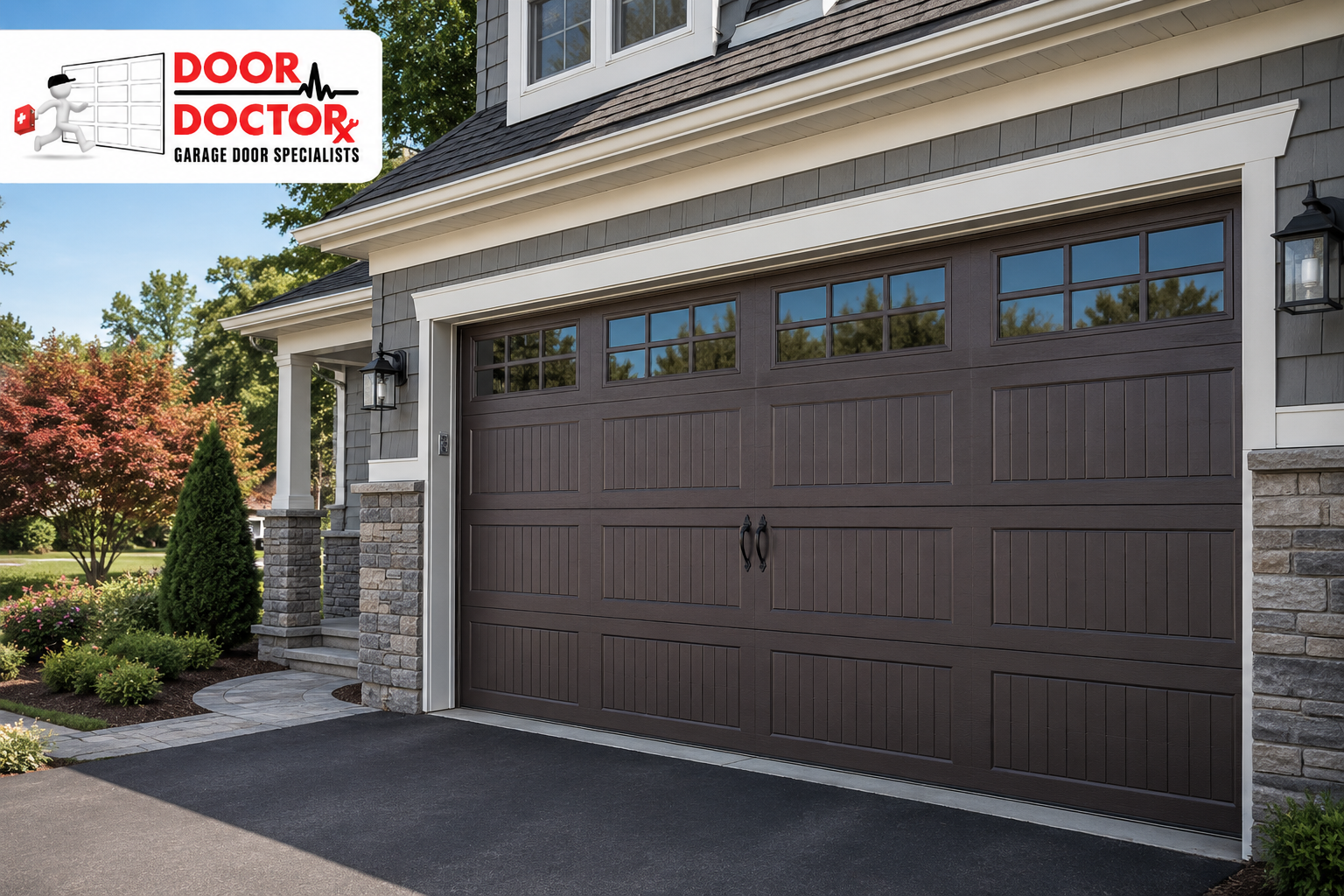
Best Insulated Garage Door Materials for Northern Virginia Weather
Quick Answer: For most Northern Virginia homes, a polyurethane-insulated steel garage door offers a strong mix of insulation, durability, quieter operation, and low maintenance. Polystyrene-insulated steel is a more affordable choice, while composite-overlay steel gives homeowners a wood-style appearance without the same upkeep as natural wood.
Insulated Garage Door Materials Compared
The material on the outside of a garage door and the insulation inside the panels are two separate choices. A steel door, for example, may use either polyurethane or polystyrene insulation.
The table below shows how common options tend to perform through Northern Virginia’s humid summers, cold winter mornings, rain, and seasonal temperature changes.
|
Material and Construction |
Typical Insulation Potential |
Weather Resistance |
Typical Cost Level |
Maintenance |
Best For |
|
Polyurethane-insulated steel |
High |
Very good |
High |
Low |
Overall performance |
|
Polystyrene-insulated steel |
Moderate to high |
Very good |
Moderate |
Low |
Budget-conscious upgrades |
|
Steel with composite overlay |
Moderate to high |
Very good |
High |
Low to moderate |
Wood-look designs |
|
Fiberglass |
Moderate |
Good moisture resistance |
Moderate to high |
Low to moderate |
Lower weight and select styles |
|
Insulated wood |
Varies by construction |
Fair with regular care |
High |
High |
Authentic traditional appearance |
|
Aluminum and insulated glass |
Varies widely |
Rust resistant |
High |
Low to moderate |
Contemporary homes |
Actual pricing depends on the door size, construction, finish, windows, hardware, and installation requirements.
Why Garage Door Insulation Matters
Insulation can be especially helpful when the garage is attached to the home or sits below a bedroom, office, or bonus room.
Many homeowners use their garages for more than parking. The space may hold tools, exercise equipment, storage, hobby supplies, or an extra refrigerator. A properly insulated and sealed door can help reduce sudden temperature changes and make the garage more comfortable throughout the year.
Insulation is commonly measured by R-value. A higher R-value generally means the door does a better job resisting heat transfer, but that number does not tell the whole story. Panel construction, installation quality, and the way the door seals around the opening also affect performance.
R-value comparisons are most useful when products are tested and reported using the same method.
Best Overall Choice: Polyurethane-Insulated Steel
This construction combines a durable steel exterior with foam insulation that adds thermal performance, panel strength, and noise control.
Polyurethane foam is injected between the steel layers and expands to fill the inside of each panel. That added rigidity can help the door feel more solid and operate more quietly.
Steel also handles regular use, rain, humidity, cold weather, and summer heat well. It comes in a wide range of colors, panel styles, window designs, and finishes, so it can work with townhomes, newer developments, and traditional single-family homes.
The exterior still needs basic care. Scratches or damaged coatings should be repaired because exposed metal can become more vulnerable to rust.
Polyurethane vs. Polystyrene Insulation
Polyurethane and polystyrene are the two most common insulation types used in sectional doors.
Polyurethane Insulation
Polyurethane generally offers stronger insulation, better sound control, and a more rigid panel. It can be especially useful for attached garages, living spaces near the garage, workshops, and homeowners who want quieter operation.
Polystyrene Insulation
Polystyrene is usually installed as a rigid foam panel. It costs less and can still provide a noticeable improvement over a non-insulated or single-layer door.
It may be a practical fit for detached garages or homes where moderate insulation is enough.
Steel With a Composite Overlay
A steel door with a composite overlay can create the appearance of a wood carriage-style door without requiring the same level of maintenance as natural wood.
The steel base provides strength and can include either insulation type. The composite exterior adds texture, depth, and a wood-grain finish.
This style works well with craftsman, colonial, farmhouse, and carriage-style homes. Because these doors may be heavier than basic steel models, the springs, tracks, and opener need to be properly matched.
Are Wood Garage Doors a Good Choice?
Wood doors can give a home a distinctive, high-end appearance, but they usually require more care in Northern Virginia’s climate.
Without regular surface protection, humidity, rain, and changing temperatures may make wood more vulnerable to swelling, moisture absorption, and finish damage. Sealing, staining, painting, and routine inspections may be needed to keep it protected.
Insulated wood options are available, but performance depends on the way the door is built.
What About Fiberglass?
Fiberglass handles moisture well and does not rust like exposed steel. It may also be lighter than wood and can be made with a wood-grain appearance.
The tradeoff is that it may not offer the same impact resistance or structural strength as a well-built steel door. Insulation performance can also vary from one product to another.
Fiberglass may be worth considering when lower weight, moisture resistance, or a particular style matters most.
Are Aluminum and Glass Doors Well Insulated?
Aluminum and glass doors are popular for contemporary homes and custom designs. Aluminum naturally resists rust, but thermal performance can vary quite a bit.
Standard glass panels may allow more heat to pass through. Insulated glass and thermally improved frames can perform better, although they usually add to the price.
This option may suit homeowners who care more about modern design than maximum insulation.
Door Construction and Weather Seals Also Matter
The material alone does not determine how well the door performs.
A well-built insulated door should have strong panels, suitable insulation, a durable exterior finish, intact weather seals, properly matched hardware, and professional installation.
Damaged or missing seals can reduce the benefit of an insulated door by allowing outdoor air and moisture around the opening.
Choosing Based on Your Priorities
Before selecting a door, consider how the garage is used, whether comfort, appearance, or cost matters most, and how much ongoing maintenance you are comfortable handling.
A homeowner with an attached garage may care more about insulation and noise control. Someone replacing a detached garage door may place more weight on price or appearance. There is no single right choice for every home.
Signs It May Be Time to Evaluate Your Door
Consider an inspection if you notice:
- Poor temperature control in the garage or nearby rooms
- Drafts, worn seals, or water entering near the opening
- Dented, cracked, warped, rusted, or uninsulated panels
- Increasing noise, unreliable movement, or frequent repairs
Temperature problems do not always come from the door itself. Wall insulation, windows, and other air leaks may also contribute.
New weather stripping or a targeted repair may solve a minor issue. Replacement may make more sense when the door has significant damage, performs poorly, or continues to need service.
Garage Door Installation and Replacement in Northern Virginia
Once you have narrowed down the material and insulation type, proper sizing, balance, sealing, and installation become just as important as the door itself.
The system needs to be aligned and paired with the correct springs and opener. Poor installation can lead to drafts, noisy movement, uneven operation, and unnecessary strain on the opener.
Door Doctor VA provides garage door installation and replacement throughout Northern Virginia, including communities such as Aldie, Sterling, Ashburn, and Leesburg. The team can help homeowners compare panel construction, finishes, styles, insulation choices, and weather-sealing options.
Door Doctor VA is family-owned and locally operated and has served Northern Virginia since 1989. The company works on all makes and models and offers recommendations based on the current system, garage layout, and homeowner priorities.
Frequently Asked Questions
Get Help Choosing an Insulated Garage Door
The right insulated garage door depends on how you use the space, your home’s style, and your budget. Door Doctor can help you compare materials, R-values, weather seals, finishes, and hardware for your Northern Virginia home. An inspection can also show whether repair, improved sealing, or replacement makes the most sense. Contact Door Doctor VA to compare options and request a quote.